
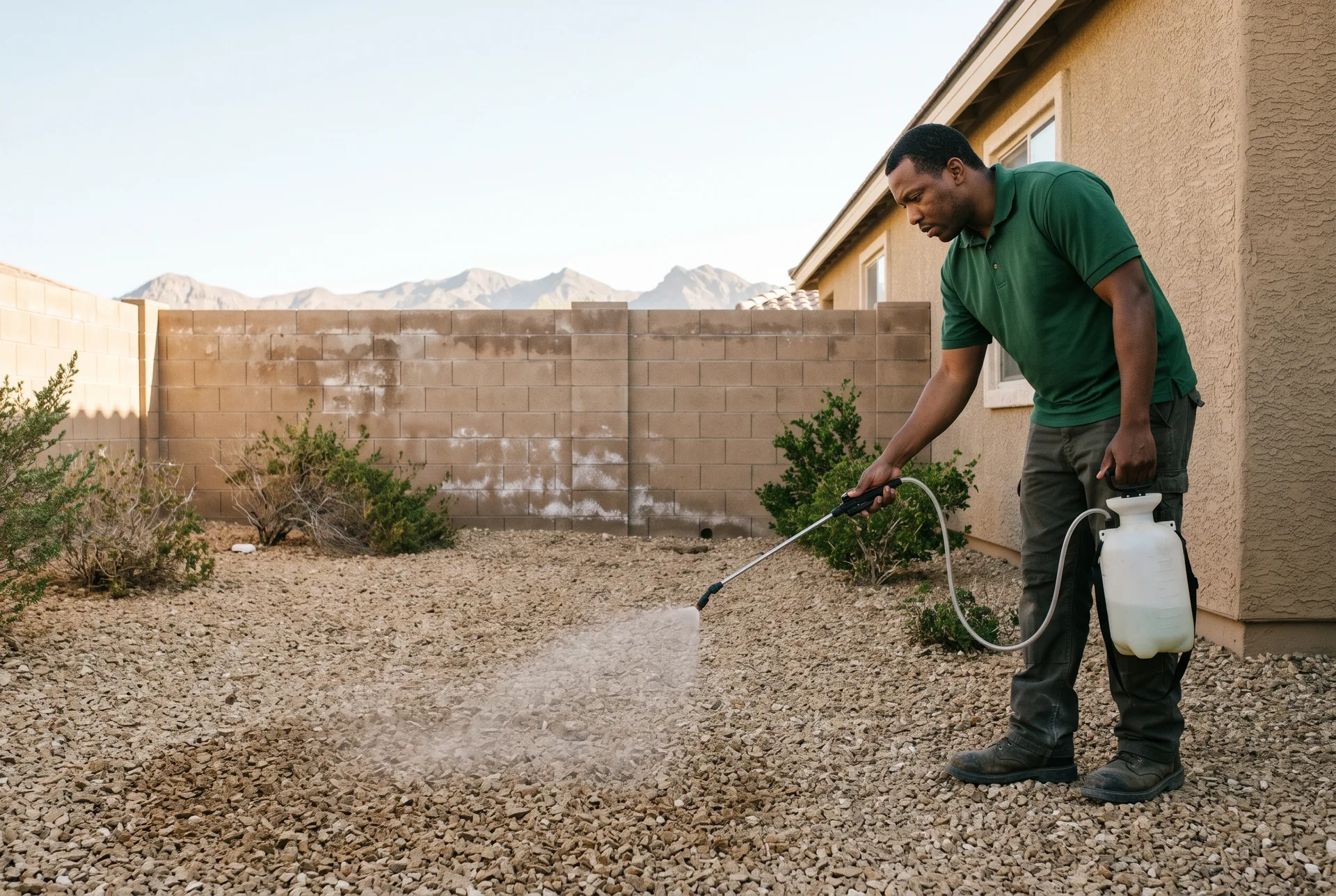
When you look at a dried up pile of dog waste on a patch of decorative rock in your backyard, it is easy to think of it as a localized problem. The smell is a nuisance, and stepping in it ruins a pair of shoes, but the environmental impact seems confined to your property line. This is a dangerous misconception.
Because of how water moves through the Las Vegas valley, the waste left in your yard eventually becomes a problem for the entire city’s water system.
The pollutant classification
It is important to understand what dog waste is. It does not nourish the soil like garden manure. Because dogs eat a high-protein diet, their waste is highly acidic. It burns grass and destroys soil health. More importantly, it is packed with bacteria, including E. coli and salmonella, along with resilient parasites like roundworm, hookworm and giardia.
Because of this bacterial load, dog waste is treated as a dangerous pollutant. It requires proper disposal, which means bagging it securely and placing it in a trash bin.
The monsoon runoff problem
The connection between your backyard and the local water supply becomes obvious when it rains. Las Vegas averages only about four inches of rain a year, but it rarely falls gently. The majority of our rain arrives during intense monsoon storms between July and September.
The desert ground in the valley is extremely hard and often layered with caliche. When a sudden monsoon storm hits, the ground cannot absorb the water easily. Instead, the water pools and creates rapid runoff. If your yard has weeks of uncollected dog waste sitting on the artificial turf or gravel, that storm runoff acts as a solvent. It breaks down the waste, picking up the bacteria and parasites, and carries that contaminated water directly off your property and into the street.
The path to Lake Mead
Once the contaminated water hits the street, it flows into the municipal storm drains. Unlike the water from your sinks and toilets, which goes to a treatment plant, the water that enters the storm drains is generally untreated. It flows through a massive network of underground pipes designed to prevent the city from flooding.
In our valley, those storm drains empty into the Las Vegas Wash. The Wash is the primary drainage channel for the entire Las Vegas valley, collecting the urban runoff, shallow groundwater, and treated wastewater. This channel flows directly into Lake Mead, the primary source of drinking water for Southern Nevada.
When you leave waste in the yard, you are contributing directly to the bacterial load entering the Las Vegas Wash. The cumulative effect of thousands of dogs leaving waste in yards across the valley creates a significant environmental burden.
The commercial impact
The environmental impact is magnified in high-density areas like apartment communities and master-planned HOAs. This is why Clark County Code Title 10 strictly requires pet owners to pick up waste in public parks and on trails. It is also why HOAs enforce their landscaping rules so aggressively.
To help mitigate this runoff problem, we manage commercial pet waste stations across the valley. By making sure the bag dispensers are always stocked and the lidded waste bins are emptied regularly, we remove the primary excuse for leaving waste on the ground in shared greenbelts.
Breaking the cycle
The only way to stop dog waste from reaching the Las Vegas Wash is to pick it up before it rains. Maintaining a strict weekly or twice weekly cleanup schedule means the waste is safely bagged and placed in the municipal trash system, rather than washing down the storm drain during the next monsoon.